Hi It's your Girl JA Nursing here, Hope all is well? In past weeks, I have had several questions about Medical Marijuana. I have always been an advocate for Medical Marijuana not because I smoke it but, because I have been able to see the benefits it has had for many. Do I smoke weed, The answer is NO but if I had a condition that I could substitute narcotics for medical marijuana then I guess I would be a User. I have also discussed this topic on CHRY 105.5fm The Wizology show because I know that for most people getting access to medical Marijuana can be difficult. The new or updated policies reflect concerns that have been expressed by
some in the medical community including the absence of scientific
evidence on the benefits of medical marijuana, and the challenging role
being given to physicians and other healthcare providers when a patient
requests access to medical marijuana. As your health care Advocate, I am here to assist you get the right care and to make the right choices.
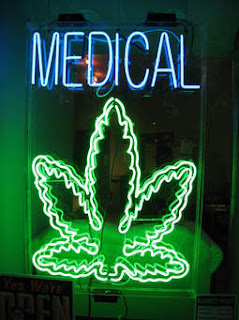
In recent weeks medical Marijuana has been trending as a big discussion especially with most recent talks by Ontario Premier Kathleen Wynne says it "makes a lot of sense" to use the LCBO to sell marijuana after the federal government legalizes sale of the drug.
I can't say that I agree with that choice but of course like anything else we will have to see how this plays out.
Especially with the new Liberal Party website that say's
We will legalize, regulate, and restrict access to marijuana.
Canada’s current system of marijuana prohibition does not work. It does not prevent young people from using marijuana and too many Canadians end up with criminal records for possessing small amounts of the drug.
Arresting and prosecuting these offenses is expensive for our criminal justice system. It traps too many Canadians in the criminal justice system for minor, non-violent offenses. At the same time, the proceeds from the illegal drug trade support organized crime and greater threats to public safety, like human trafficking and hard drugs.
To ensure that we keep marijuana out of the hands of children, and the profits out of the hands of criminals, we will legalize, regulate, and restrict access to marijuana.
We will remove marijuana consumption and incidental possession from the Criminal Code, and create new, stronger laws to punish more severely those who provide it to minors, those who operate a motor vehicle while under its influence, and those who sell it outside of the new regulatory framework.
At this point, marijuana is legal for medical use in Canada. To legalize or not to legalize that has been the question. The marijuana plant contains chemicals that may help treat a range of illnesses or symptoms. The 2 main chemicals in Marijuana , Δ9-tetrahydrocannabinol (THC) and cannabidiol (CBD) and for medical purposes different percentages of both TCH and CBD will be used. As opposed to street Weed (marijuana) their is no control over what chemicals are used in the marijuana composition, which for years has raised concerns. The debate, on marijuana is that unlike the Weed (Sess) grown in Caribbean countries which for years have been ruled the healer of all ailments this new Marijuana or Hydro Marijuana may have chemicals that can cause undesirable effects for many. legalizing marijuana vs medial marijuana will always be a debate. Be aware that all cannabinoids (THC, CBD, and beyond) have a medical benefit, and it’s important to research which strains contain which levels of cannabinoids, and what cannabinoids are best suited for the particular conditions you are trying to treat.
There has always been the myth regarding Marijuana and mental illness, however what many don't understand is that the use of any street drugs can cause a increased occurrence of Mental Illness, for that reason it’s pretty good advice that if you have risk factors for mental illness, you should be careful about using recreational drugs.

For those of you who have been curious here goes
The law about medical marijuana isn't always so easy and straightforward. We rely on the regulations set by the Government of Canada to guide us. The best and most accurate information can be found in Health Canada's Law Enforcement Issues.
If you are a Canadian citizen, you can legally obtain your medication by registering your medical document with a Licensed Producer that is authorized by Health Canada's Medical for Marijuana Purposes Regulations (MMPR). Thousands of Canadians are Federally licensed to possess and use medical marijuana. Medical marijuana is a proven safe, virtually side effect-free alternative to all pharmaceuticals. The only way to legally protect yourself is through Health Canada’s Marijuana for Medical Purpose Regulations (MMPR) which came into effect on March 31, 2014.(MMPR). For the steps required to transition to the new MMPR visit http://www.hc-sc.gc.ca/dhp-mps/marihuana/access-acceder-eng.php. . The MMPR treats marijuana as much as possible like any other narcotic used for medical purposes by creating conditions for a new, commercial industry that is responsible for its production and distribution. According to Health Canada, the regulations "will provide access to quality-controlled marijuana for medical purposes, produced under secure and sanitary conditions, to those Canadians who need it, while strengthening the safety of Canadian communities. In addition, the new regulations will also enable more choices of marijuana strains and licensed, commercial suppliers."
One of the common myths about medical marijuana is that it has to be smoked, however vaporization has become recognized as the safest and most effective medical cannabis delivery method currently available. Vaporization is different from smoking as it is achieved by heating the cannabis to a temperature that vaporizes, but does not burn the cannabinoids, virtually eliminating the health risks associated with smoking. Cannabis indica, cannabis sativa, cannabis americanus, Indian hemp and marijuana (or marihuana) all refer to the same plant.
Cannabis is used throughout the world for diverse purposes and has a long history including many therapeutic properties that has been known to help many.

According to Health Canada, evidence suggests that medical marijuana may be useful in some of the following therapeutic situations:

In recent weeks medical Marijuana has been trending as a big discussion especially with most recent talks by Ontario Premier Kathleen Wynne says it "makes a lot of sense" to use the LCBO to sell marijuana after the federal government legalizes sale of the drug.
I can't say that I agree with that choice but of course like anything else we will have to see how this plays out.
Especially with the new Liberal Party website that say's
We will legalize, regulate, and restrict access to marijuana.
Canada’s current system of marijuana prohibition does not work. It does not prevent young people from using marijuana and too many Canadians end up with criminal records for possessing small amounts of the drug.
Arresting and prosecuting these offenses is expensive for our criminal justice system. It traps too many Canadians in the criminal justice system for minor, non-violent offenses. At the same time, the proceeds from the illegal drug trade support organized crime and greater threats to public safety, like human trafficking and hard drugs.
To ensure that we keep marijuana out of the hands of children, and the profits out of the hands of criminals, we will legalize, regulate, and restrict access to marijuana.
We will remove marijuana consumption and incidental possession from the Criminal Code, and create new, stronger laws to punish more severely those who provide it to minors, those who operate a motor vehicle while under its influence, and those who sell it outside of the new regulatory framework.
At this point, marijuana is legal for medical use in Canada. To legalize or not to legalize that has been the question. The marijuana plant contains chemicals that may help treat a range of illnesses or symptoms. The 2 main chemicals in Marijuana , Δ9-tetrahydrocannabinol (THC) and cannabidiol (CBD) and for medical purposes different percentages of both TCH and CBD will be used. As opposed to street Weed (marijuana) their is no control over what chemicals are used in the marijuana composition, which for years has raised concerns. The debate, on marijuana is that unlike the Weed (Sess) grown in Caribbean countries which for years have been ruled the healer of all ailments this new Marijuana or Hydro Marijuana may have chemicals that can cause undesirable effects for many. legalizing marijuana vs medial marijuana will always be a debate. Be aware that all cannabinoids (THC, CBD, and beyond) have a medical benefit, and it’s important to research which strains contain which levels of cannabinoids, and what cannabinoids are best suited for the particular conditions you are trying to treat.
There has always been the myth regarding Marijuana and mental illness, however what many don't understand is that the use of any street drugs can cause a increased occurrence of Mental Illness, for that reason it’s pretty good advice that if you have risk factors for mental illness, you should be careful about using recreational drugs.
For those of you who have been curious here goes
The law about medical marijuana isn't always so easy and straightforward. We rely on the regulations set by the Government of Canada to guide us. The best and most accurate information can be found in Health Canada's Law Enforcement Issues.
If you are a Canadian citizen, you can legally obtain your medication by registering your medical document with a Licensed Producer that is authorized by Health Canada's Medical for Marijuana Purposes Regulations (MMPR). Thousands of Canadians are Federally licensed to possess and use medical marijuana. Medical marijuana is a proven safe, virtually side effect-free alternative to all pharmaceuticals. The only way to legally protect yourself is through Health Canada’s Marijuana for Medical Purpose Regulations (MMPR) which came into effect on March 31, 2014.(MMPR). For the steps required to transition to the new MMPR visit http://www.hc-sc.gc.ca/dhp-mps/marihuana/access-acceder-eng.php. . The MMPR treats marijuana as much as possible like any other narcotic used for medical purposes by creating conditions for a new, commercial industry that is responsible for its production and distribution. According to Health Canada, the regulations "will provide access to quality-controlled marijuana for medical purposes, produced under secure and sanitary conditions, to those Canadians who need it, while strengthening the safety of Canadian communities. In addition, the new regulations will also enable more choices of marijuana strains and licensed, commercial suppliers."
One of the common myths about medical marijuana is that it has to be smoked, however vaporization has become recognized as the safest and most effective medical cannabis delivery method currently available. Vaporization is different from smoking as it is achieved by heating the cannabis to a temperature that vaporizes, but does not burn the cannabinoids, virtually eliminating the health risks associated with smoking. Cannabis indica, cannabis sativa, cannabis americanus, Indian hemp and marijuana (or marihuana) all refer to the same plant.
Cannabis is used throughout the world for diverse purposes and has a long history including many therapeutic properties that has been known to help many.
Medical marijuana users claim the drug helps relieve pain and suppress nausea — the two main reasons it's often used to relieve the side effects of chemotherapy

According to Health Canada, evidence suggests that medical marijuana may be useful in some of the following therapeutic situations:
- Palliative Care
- Cancer
- Chronic Pain
- Nausea and Vomiting
- Wasting Syndrome
- Loss of Appetite
- Anorexia Nervosa
- Attention deficit hyperactivity disorder (ADHD)
- Multiple Sclerosis
- Post traumatic stress disorder (PTSD)
- ALS
- Epilepsy
- Fibromyalgia,
- Arthritis (RA or OA)
- Glaucoma
- Insomnia
- Anxiety and
- Depression
- Inflammatory Bowel Disease
- HIV/AIDS
There is no specific medical requirement for patients to possess
marijuana for medical purposes but new guidelines for doctors advises
that the patients be over 25 years old. However, in view of the fact
that use of marijuana for other than medical purposes is prohibited
under Canadian Federal law, all patients who wish to be legal medical
users must be able to present documented evidence of a medical condition
which warrants use of marijuana. Under the regulations,
the patient must consult with a prescribed healthcare practitioner
(i.e., a physician or a qualified nurse practitioner) and obtain a
signed "medical document," which is similar to a prescription. The
patient can then get the marijuana by submitting the medical document
directly to a licensed commercial producer.
This has been watching out for your health With Michelle Smith Your Health and Social Advocate
As your Advocate Get the assistance that you need to be at your best http://www.janursingservices.com/healthcare-advocate.html Contact us today
This has been watching out for your health With Michelle Smith Your Health and Social Advocate
As your Advocate Get the assistance that you need to be at your best http://www.janursingservices.com/healthcare-advocate.html Contact us today
LEARN MORE WATCH THESES VIDEOS
http://www.weedmaps.com Get an intensive crash course on the benefits of THC as well as how it is synthesized in the cannabis plant, and tested for using standardized methods by SC Labs.
All calls and contacts made with
JA Smith Consulting And Nursing Services is held in compliance with the privacy and confidentially act for all Health Professionals
for questions contact janursingservices@gmail.com
Stay connected www.janursing.com
Remember Questions were made to be answered

Please leave a comment
Remember to Hit Share
Sources
https://www.liberal.ca/realchange/marijuana/
http://www.cbc.ca/news/canada/toronto/wynne-marijuana-lcbo-1.3364158
http://www.hc-sc.gc.ca/dhp-mps/marihuana/access-acceder-eng.php
http://medicalmarijuana.ca/learning-center/marijuana-laws
https://en.wikipedia.org/wiki/Marihuana_for_Medical_Purposes_Regulations
https://en.wikipedia.org/wiki/Marihuana_for_Medical_Purposes_Regulations


